
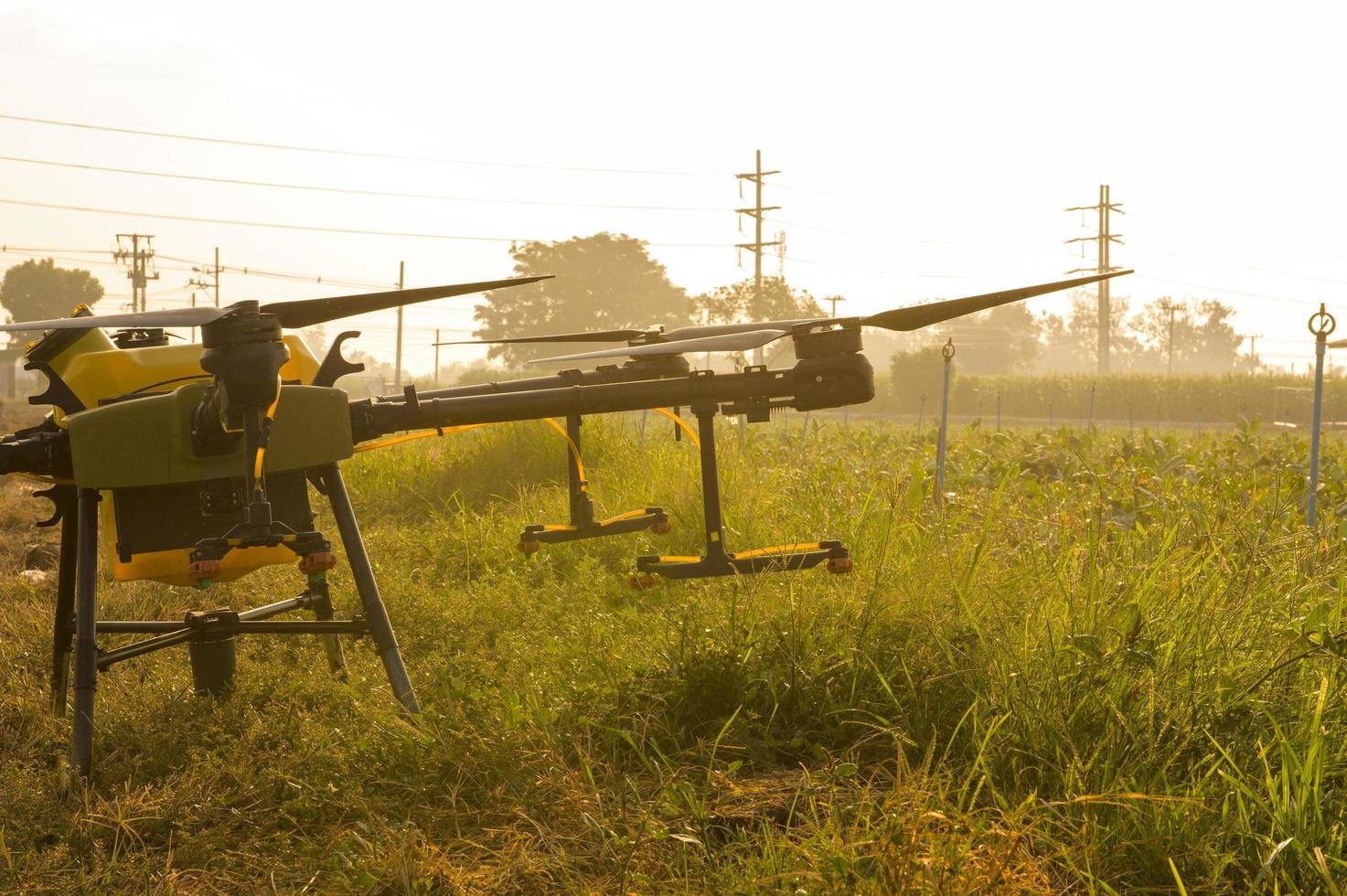
In recent years, drones have literally revolutionized various industries, offering unprecedented flexibility and efficiency. Among the diverse types of drones, gas-powered drones stand out for their robust capabilities. These drones are not only a marvel of engineering but also a powerhouse that can handle demanding tasks with ease, making them essential tools in challenging environments. From agriculture to filmmaking, gas-powered drones like the gas powered heavy lift drone are making waves. But how exactly do they work, and what sets them apart from their battery-powered counterparts? Let’s delve into the anatomy and applications of these remarkable machines.
The Mechanics of Gas-Powered Drones
Gas-powered drones operate by using a combustion engine to drive the rotors, which generates lift. This is similar to how traditional aircraft function, offering superior performance compared to electric drones in certain aspects. This section will explore the key components and technology behind these high-performance devices.
- Engine: The heart of a gas-powered drone is its engine, typically fueled by gasoline or a gasoline-oil mix. This powerful engine enables longer flight times and increased payload capacity.
- Fuel Tank: A fuel tank stores the necessary fuel required for operation. The size of the tank directly influences the drone’s flight duration.
- Rotor Blades: Large, durable rotor blades are designed to withstand higher levels of stress and ensure stable flight even in adverse conditions.
- Control Systems: Advanced control systems manage navigation and stability, often incorporating GPS technology for precise flight paths.
Key Advantages of Gas-Powered Drones
While electric drones are popular for their ease of use and relatively quiet operation, gas-powered drones offer several distinct advantages:
- Extended Flight Time: Unlike electric drones that are limited by battery life, gas-powered drones can stay airborne for longer periods, making them ideal for long-duration missions.
- Heavy Payload Capacity: With the ability to carry significant weight, gas-powered drones can transport larger equipment or materials, a crucial advantage for industries like construction and logistics.
- Weather Resilience: These drones are built to endure tough weather conditions, allowing for reliable operation in environments where electric drones may struggle.
When to Choose Gas-Powered Drones
Gas-powered drones are not a one-size-fits-all solution. Specific scenarios make them the optimal choice over their electric counterparts:
- Long-Distance Surveys: When conducting large-scale surveys or mapping extensive geographical areas, the prolonged flight capacity of gas-powered drones is invaluable.
- Heavy Lifting Requirements: Industries requiring the transportation of heavy equipment or goods, such as agriculture and search and rescue, benefit significantly from the strong lift capabilities.
- Aerial Cinematography: For filmmaking endeavors in remote locations, gas-powered drones provide the sustainability required for capturing long scenes and transporting larger cameras.
A World of Possibilities: Embrace the Power
The versatility of gas-powered drones continues to expand their utility across a variety of industries. As technologies advance, companies like Acecore Technologies are literally pushing the boundaries, creating sophisticated models that combine traditional combustion efficiency with modern technological innovations. For those seeking unmatched endurance and payload capacity, embracing the power of gas-powered drones opens up new possibilities—ushering in a new era of aerial performance. Whether in rugged terrains or expansive skies, gas-powered drones stand ready to take flight.


